
The Tesla Inc is an organization which was started in 2003 in Palo Alto, California and has changed the entire world in the aspect of automotive and energy. With high-performance electric vehicles and scalable renewable energy products, Tesla created a brand that operates more on innovations, sustainability, and a base of fans. Tesla has not needed to spend millions of money on advertising campaigns to build a global opportunity as compared to the traditional automakers.
The central success story of Tesla is having a clear mission that is to hasten the world to go green, in terms of energy. The mission is implemented in all the areas of Tesla business, including product design, customer service, and the basis of marketing campaign. Tesla cars such as Model S, the Model X, Model 3, and even the Model Y consume less fuel, have software capabilities, refined design, and more features that have made them more popular besides their performance. Tesla has further extended to solar power supply, battery backup, as well as built-in renewable energy solutions, furthering its image as a complete clean-energy company.
The Tesla case demonstrates that the high quality of the products, exceptional planning and special form of engagement may be employed in place of standard advertisement. Creating hype, creating loyalty, making the cult-like following without spending much on adverts is a masterpiece that the company has mastered. It relies on three pillars, i.e., personal branding by Elon Musk, the 4Ps company strategy and interaction with customers based on customer.
How Elon Musk has affected the Tesla policy of selling.
The Tesla CEO, Elon Musk has been influential in setting the manner in which this firm conducts its marketing strategy. Tesla is one of the hottest companies in the world, and all that was needed was his personal brand, the mode of communication, and making decisions that were not the usual ones.
1. Innovative Communication
The use of social media, especially twitter by Musk has been made one of the most significant marketing tools. His posts lead to massive media publicity, debate among people and even stock prices. This straightforward and direct communication strategy will enable Tesla to cut across the traditional marketing channels and still be visible in the world.
2. Brand Storytelling
Musk has the skill to share powerful stories. His message about Tesla and the future mobility, sustainability, and innovation is presented in a manner that is appealing to both tech enthusiasts and the environmental conscious consumer market. He positions the Tesla brand as a movement by making it look bigger than just a car makers.
3. Personal Branding
Musk, in the unconventional statements, personality on the stage and his attendance of product launches gives a special ingredient to the marketing of the Tesla. The correlation between Musk and Tesla persona fosters improved brand recall and developed a following.
4. Product Teasers
Musk would often give hints to future products, functionality, and developments, giving customers anticipation and excitement. This approach will ensure that Tesla fans are never bored, and the introduction of new products is given its full focus.
5. Crisis Management
The transparency and the willingness of Musk to address the issues on the personal level in case of any scandals or issues with their products have helped to maintain consumer confidence. The strategy provides some reinforcement to the Tesla brand as a corporation that assists their products. Elon Musk has enabled Tesla to act as an example of how the organization is supposed to be managed and discussed, thus, receiving promotion around the world without the usual advertisement.
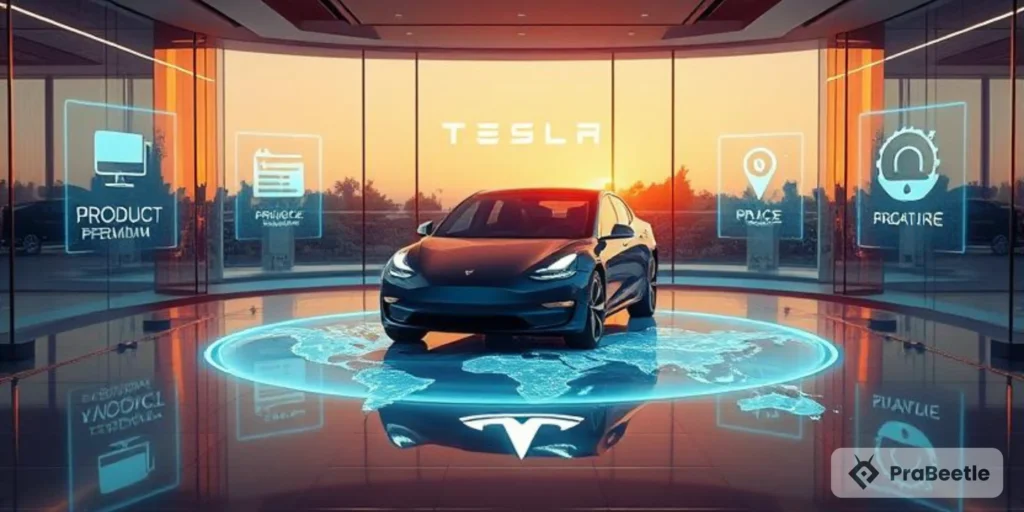
Tesla Marketing Mix Strategy 4P-based.
Tesla has a marketing strategy that can be analyzed by the 4ps framework of marketing that include: Product, Price, Place and Promotion. Nevertheless, Tesla puts it in place differently.
Product Strategy
Tesla is concerned with electric cars with splendid technology and high performance. All the cars, starting with Model S to Model 3, are characterized by speed, efficiency, and software upgrades that offer continued performance enhancement. Tesla stands out among other market players with features such as autopilot, online software modification, and energy-saving solutions, among others.
Solar technology and storage of energy are also part of the product ecosystem at Tesla. This makes Tesla not only a maker of cars, but also a provider of clean energy. Aesthetics in designs is very important; Tesla cars look sleek and good, and appeal to younger and tech- powerful customers.
Place Strategy
Tesla is a company that does not use dealerships but sells its products directly to consumers. The stores and galleries of it are located in high traffic places across the globe such as North America, Europe, Asia as well as Middle East. Some of the key markets that Tesla has expanded to in the global markets through internationalization include China where the company has established Gigafactories and retail stores.
Online-based ordering facilitates the ease of doing business, since the customers can assemble vehicles, reserve test rides as well as purchase the vehicles without intermediaries. The appearance of Tesla is supported by physical stores, service centers and super charger networks, which offer a full customer experience.
Pricing Strategy
First, Tesla focused on affluent consumers who did not focus on prices but technological advancement and innovation. The firm then launched cheaper models and it reached the consumers at the middle-market level without compromising its quality. This pricing mechanism has enabled Tesla to attract various market segments and growth in revenue without losing the brand prestige.
Promotion Strategy
Tesla notoriously utilizes little finance on conventional advertisements. Its promotion relies on:
- Word-of-Mouth Marketing: Customers who are satisfied and fans of the Tesla brand promote the brand itself.
- Referral Programs: Provides incentives to existing owners to recommend new owners such as the provision of free supercharging miles.
- Places and opening of Products: Model 3 is a high-profile event that creates coverage in the international media.
- Digital Channels: Tesla uses social media platforms, its webpage, and YouTube to update and communicate with customers about new products.
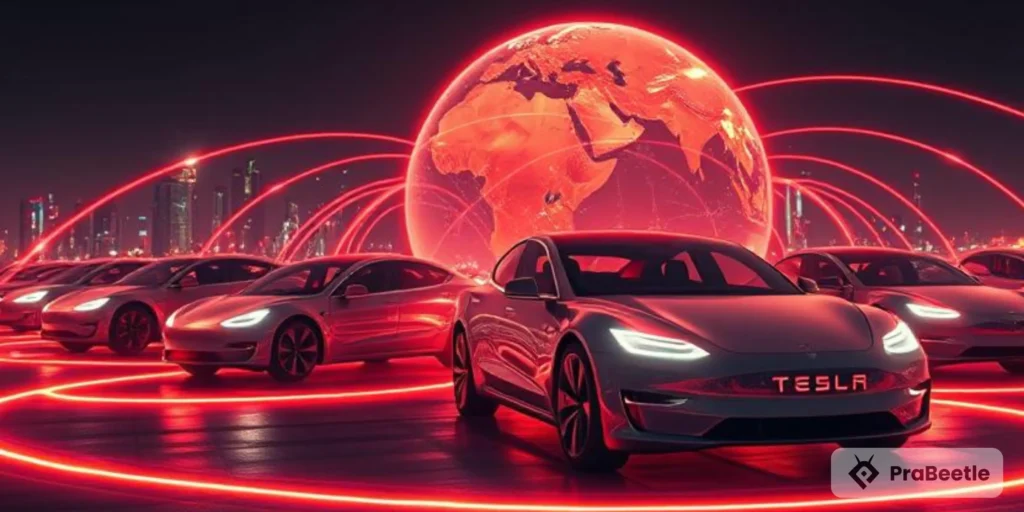
Brand Awareness Tesla Marketing Channels.
Tesla uses the multi-channel strategy to target its audience and build brand awareness in the world:
- Website: This is the main location of information, configuration, and buying of Tesla cars. It trains the customers about technology, sustainability and product features.
- Physical Stores and Galleries: Customers have a chance to see Tesla products in person, and the stores offer guided tours.
- Social Media: Twitter, Instagram, and YouTube are some of the platforms that improve the promotion of the product, updates of the features, and communication of the CEO.
- Events: Tesla hosts launch events, livestreams, and announcements (e.g., Battery Day) as a way of achieving media attention.
- Referral Program: This is an incentive scheme that motivates those who are loyal customers to refer other new customers to Tesla.
- Supercharger Network: Tesla charging stations are effective marketing devices, which demonstrate convenience and sustainability.
- Industry Fairs & Exhibitions: Reflects the leadership in technology of Tesla as well as supports stakeholder interest.
The strategy is convenience, reliability, and brand integrity, which add to the success of Tesla worldwide.
Competitive Strategy and Industry Leadership.
Tesla would like to promote healthy competition in the electric vehicle market:
- Open Access to Superchargers: Tesla charges can be used by any competitor, and this would make the industry sustainable.
- Operational Leadership: Tesla is oriented on the development of innovative vehicles, which other companies should also develop their own standards.
- Sustainable Practices: The adoption of renewable energy by Tesla defines the standards of environmental responsibility.
Tesla is able to position itself as a visionary company instead of being a purely competitive company by encouraging competition and collaboration.
Learnings in the Tesla Marketing Strategy.
Tesla can teach a number of big lessons to marketers and business leaders:
- The Secret to Marketing is Innovation: Super products generate natural demand and lessen dependence on advertising.
- Leadership Issues: Excellent visionary leadership and branding can reinforce a message of a company.
- The Customer Experience Matters: A direct-to-consumer Customer Experience makes loyalty.
- Community Engagement: The referral programs and word-of-mouth marketing create a loyal following.
- Sustainability as a Differentiator: Strategies to align the business objectives with the social and environmental missions increase brand value.
Tesla proves that marketing is not a simple commercial but rather a value creation, a story to be told, and an approach to meet customers in their natural environment.
Conclusion
A set of innovative products, visionary leadership, exclusive sales approaches, along with customer-oriented marketing, have contributed to global achievement in Tesla. Through word-of-mouth, digital interaction and the best possible experiences with their products, Tesla has created a brand that garners attention without the need to advertise globally.
Tesla can teach companies that genuine, creative, and narratives can sometimes be more influential than huge advertising budgets. Tesla demonstrates how, a company focusing on mission-controlling purposes, communicating with clients and establishing the loyalty, global popularity and long-term growth become natural after all.




Leave a Reply